


How To Avoid Running Into Mortgage Paying Trouble for Homeowners
- norcalpropertiesan
- Aug 14, 2024
- 4 min read

Updated: Jan 1, 2025
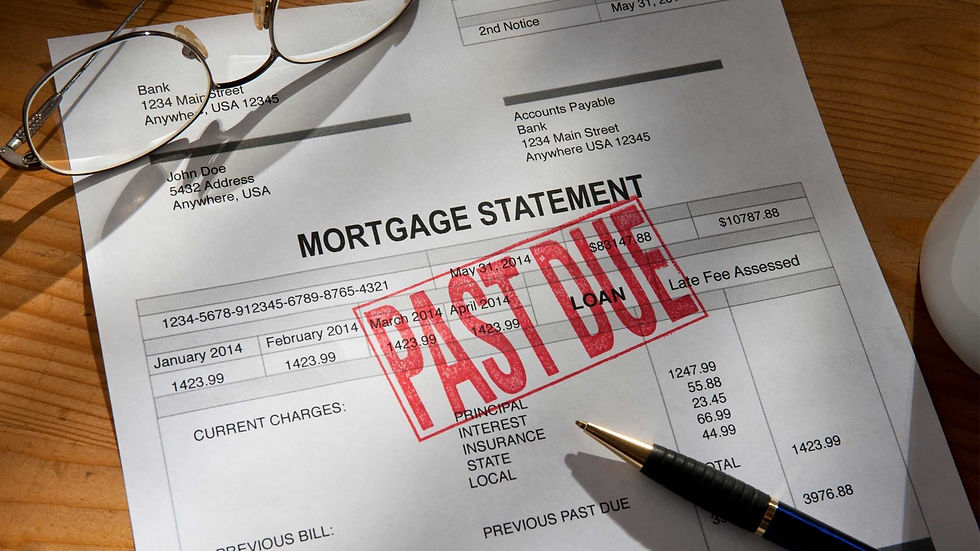
Owning a home is one of the most significant milestones in life, representing not just a physical place to live but a major financial commitment. Managing a mortgage can be complex, and unforeseen challenges can sometimes threaten your ability to make timely payments. Understanding how to navigate these challenges is crucial for maintaining financial stability and preserving your home investment.
With the housing market's ups and downs, economic fluctuations, and personal financial changes, it’s easy to feel overwhelmed by mortgage responsibilities. However, with careful planning and proactive management, you can avoid common pitfalls and keep your mortgage payments on track. Whether you’re a new homeowner or have been managing a mortgage for years, knowing how to prevent potential issues before they arise is key to long-term success.
In this comprehensive guide, we’ll explore essential strategies and practical tips to help you avoid running into trouble with your mortgage payments. From setting up effective financial practices to leveraging available resources, these expert tips will empower you to take control of your mortgage and ensure a stable financial future. Let’s dive into the best practices for keeping your mortgage payments on track and protecting your home investment.
Here are some things you can do to avoid facing difficulty in paying your mortgage each month:
1. Keep Your Properties Occupied
One of the most effective ways to avoid trouble with mortgage payments is to ensure your rental properties are consistently occupied. Advertising for new tenants should be a priority, and it’s essential to act swiftly when vacancies arise. Regularly update your rental listings, use high-quality photos, and employ targeted marketing strategies to attract potential tenants. The faster you fill vacancies, the steadier your rental income will be, helping you manage your mortgage payments more effectively.
2. Find and Retain Quality Tenants
Finding reliable tenants is key to maintaining a stable income stream. Quality tenants are those who pay rent on time, take good care of the property, and adhere to lease agreements. Implement thorough background and credit checks to screen applicants. Look for tenants with a history of responsible rental behavior. By selecting trustworthy tenants, you reduce the risk of late payments and property damage, ensuring a smoother mortgage payment process.
3. Opt for Long-Term Tenants
While short-term tenants may seem appealing, long-term renters can provide greater stability. Long-term tenants are less likely to move frequently, reducing the frequency of vacancies and the associated costs of finding new tenants. When possible, prioritize long-term rental agreements. This approach minimizes disruptions to your rental income and helps you maintain a consistent cash flow to cover your mortgage payments.
4. Maintain Your Property Regularly
Keeping your property in good condition is essential for retaining quality tenants and ensuring timely rent payments. Address maintenance issues promptly and perform regular inspections to identify and fix potential problems. Invest in upgrading appliances and ensuring that all systems are in working order. A well-maintained property not only attracts better tenants but also encourages them to stay longer, contributing to stable rental income.
4. Build Positive Landlord-Tenant Relationships
Being a proactive and responsive landlord can significantly impact your relationship with tenants. Address tenant concerns quickly, communicate effectively, and maintain a professional yet friendly demeanor. Positive landlord-tenant relationships can enhance tenant satisfaction and encourage them to renew their leases, helping you avoid vacancies and maintain a steady rental income.
5. Utilize Financial Planning and Budgeting
Effective financial planning is crucial for managing mortgage payments. Create a detailed budget that includes all expenses related to your property, such as mortgage payments, maintenance costs, and property taxes. Set aside a portion of your rental income for unexpected expenses or repairs. By managing your finances carefully, you can avoid cash flow issues and ensure timely mortgage payments.
6. Consider Refinancing for Better Terms
If you’re struggling with high mortgage payments, refinancing might offer relief. Refinancing your mortgage can provide you with better terms, such as a lower interest rate or an extended repayment period, reducing your monthly payments. Consult with a mortgage advisor to explore refinancing options and determine if they align with your financial goals.
7. Explore Mortgage Assistance Programs
Various assistance programs are available for homeowners facing financial difficulties. Research federal, state, and local programs designed to help with mortgage payments, especially during economic downturns. Programs such as mortgage forbearance or loan modification can provide temporary relief and prevent foreclosure. Staying informed about available resources can offer crucial support if you encounter payment challenges.
8. Avoid Accumulating New Debt
Taking on additional debt can strain your finances and make it more difficult to manage mortgage payments. Avoid using credit cards excessively or taking out new loans that could impact your cash flow. Focus on reducing existing debt and maintaining a healthy credit profile to ensure you can manage your mortgage and other financial obligations effectively.
9. Stay Informed About Market Conditions
Real estate markets can be volatile, affecting property values and rental income. Stay informed about market trends and economic conditions in your area. Understanding market dynamics allows you to make strategic decisions about your property investments and adapt your strategies to changing conditions. Regularly review market reports and seek advice from real estate professionals to stay ahead of potential issues.
Conclusion
Managing mortgage payments effectively requires a proactive approach and careful planning. By keeping your properties occupied, finding quality tenants, maintaining your property, and building positive landlord-tenant relationships, you can mitigate the risk of payment trouble. Utilize financial planning, explore refinancing options, and stay informed about market conditions to ensure long-term success.
For homeowners in Oklahoma City, Columbus, and California, these tips are designed to help you navigate your unique real estate markets and maintain financial stability. By following these expert strategies, you can safeguard your mortgage payments and enjoy a smooth homeownership experience.
For more insights and advice on managing your mortgage and property investments, stay tuned to our blog. At Nor-Cal Properties & Investments, we’re here to support your journey to successful and sustainable homeownership.


Comments